Science Β· Evidence
Every design decision is evidence-based.
Every design decision in CELLOGRAM is grounded in scientific evidence.
Science
We communicate with skin
in two languages.
in two languages.
The physical signal of PDLLA 30um and the biological environment of ECM Prime β two axes designed with equal weight.
Two languages that the skin's living record is written in β physical structure and biological environment.
Pharmaceutical-Grade PDLLA
Structural Signal Β· Vial 01 Β· Effect Reference
30Β΅m
The Size Cells Recognize
Dermal fibroblasts measure 20-30um. PDLLA 30um induces physical contact at the same scale as the cell itself. It activates fibroblasts through structural signaling rather than chemical stimulation, initiating the collagen synthesis pathway.
01
M2 Macrophage Polarization
PDLLA increases IL-4 and IL-13 secretion to induce M2 polarization. M2 macrophages secrete TGF-B, which upregulates COL1A1 (Type I) and COL3A1 (Type III) collagen synthesis via the SMAD pathway.
Oh JH, et al. Cells, 2023 Β· Lee JH, et al. Antioxidants, 2023
02
Non-Porous Structure
The dense, non-porous surface suppresses rapid release of degradation byproducts. After 8-12 weeks, it maintains a uniform collagen formation environment through mild and predictable responses. Compared to porous microspheres, the inflammatory cell ratio at 12 weeks is 5:30 β significantly lower inflammation.
Cao Q, et al. Frontiers in Bioengineering and Biotechnology, 2025
03
Gradual Biodegradation
Gradual biodegradation maintains continuous regeneration signals for 3-6 months. Newly formed collagen remains stable even after degradation is complete.
Pharmaceutical-Grade PDRN Β· High-Purity Complex
Biological Environment Β· Vial 02 Β· Effect Reference
50+
Components Β· 8 Categories
Cells function properly only within the right environment. ECM Prime is a hierarchically designed formulation of 50+ components that engineers the entire biological environment where collagen regeneration occurs.
01 Β· Foundation
Free Hyaluronic Acid
Establishes the foundational hydration environment of the ECM. Free hyaluronic acid maintains the hydration state of the extracellular matrix and forms the physical foundation where regeneration reactions occur.
02 Β· Activation
PDRN
DNA fragments activate A2A purinergic receptors to deliver anti-inflammatory signals and initiate tissue repair cascades. Promotes cell proliferation and angiogenesis.
Colangelo MT, et al. Regenerative Medicine, 2020 Β· Squadrito F, et al. Frontiers in Pharmacology, 2017
03 Β· Activation
Amino Acids (19 types)
Proline, Glycine, Hydroxyproline β supplies the essential precursor pool for collagen triple helix formation. Prevents raw material deficiency in the synthesis pathway, ensuring the structural integrity of newly formed collagen.
04 Β· Activation
B Complex + Stable Vit.C
Nine B vitamins (B1, B2, B3, B5, B6, B7, B9, B12, Inositol) normalize cellular energy metabolism, shifting cells from a stimulated state to an active regeneration mode. Stabilized vitamin C (AA2G) is an essential cofactor in proline hydroxylation, supporting a critical step in collagen synthesis.
05 Β· Activation
Signal Peptides (9 types)
A biomimetic peptide complex that mediates precise cell-matrix communication. Growth factor-like activity enhances the specificity and accuracy of regeneration signals.
06 Β· Protection
Redox Protection
Glutathione, NAC, Arbutin β blocks oxidative interference from reactive oxygen species (ROS) generated during collagen synthesis. Prevents structural damage to newly formed collagen and maintains regeneration quality.
07 Β· Support
Minerals & Electrolytes (6 types)
Six minerals including Zn2+, Mg2+, and Ca2+ serve as cofactors for collagen synthesis enzymes. Maintains ECM homeostasis and pH buffering to ensure stability throughout the regeneration cycle.
08 Β· Support
Trehalose
Osmotic stabilization and cell membrane protection. Maintains cellular hydration balance under post-procedural environmental stress, contributing to the stability of the regenerative environment.
Structure Γ Environment = True Regeneration
The two products divide their roles along the time axis, completing a single continuous regeneration pathway.
Scientific References
[1] Oh JH, et al. "Poly-L-Lactic Acid Fillers Improved Dermal Collagen Synthesis by Modulating M2 Macrophage Polarization in Aged Animal Skin."
Cells, 2023;12(9):1320. PMC indexed.
[2] Lee JH, et al. "Poly-D,L-Lactic Acid Filler Increases Extracellular Matrix by Modulating Macrophages and Adipose-Derived Stem Cells in Aged Animal Skin."
Antioxidants, 2023;12(6):1204. PMC indexed.
[3] Colangelo MT, et al. "The effects of polydeoxyribonucleotide on wound healing and tissue regeneration: a systematic review."
Regenerative Medicine, 2020;15(6):1801β1821.
[4] Squadrito F, et al. "Pharmacological activity and clinical use of PDRN."
Frontiers in Pharmacology, 2017;8:224. PMC indexed.
[5] Cao Q, et al. "Faster efficacy and reduced nodule occurrence with PLLA porous microspheres."
Frontiers in Bioengineering and Biotechnology, 2025;13:1571820.
Technology Β· Smart SPDSβ’
Solid Phase
Delivery Systemβ’
Delivery Systemβ’
Proprietary technology for mass-producing perfectly uniform microspheres at nano-to-micro scale. The physical foundation of CELLOGRAM PDLLA 30um.
Why Technology Matters
For PDLLA 30um to function at the size cells recognize, the particles must be perfectly uniform. When size varies, cellular response varies. Smart SPDSβ’ is the technology that guarantees that uniformity.
Perfectly Spherical
Mass production of perfectly uniform spherical microspheres. Consistency in particle morphology guarantees predictability of cellular response.
Controlled Release
Gradual, uniform degradation in vivo. Maintains continuous structural signaling without abrupt release.
Adjustable Degradation
Degradation period can be adjusted based on material properties. Enables customized design tailored to clinical objectives.
Strong Durability
High-density non-porous particles maintain a consistent degradation rate in vivo. The foundation for predictable regeneration signals.
Customizable Particle Size
Customizable production within specific size ranges from nano to micro scale. The basis for CELLOGRAM's 30um optimization.
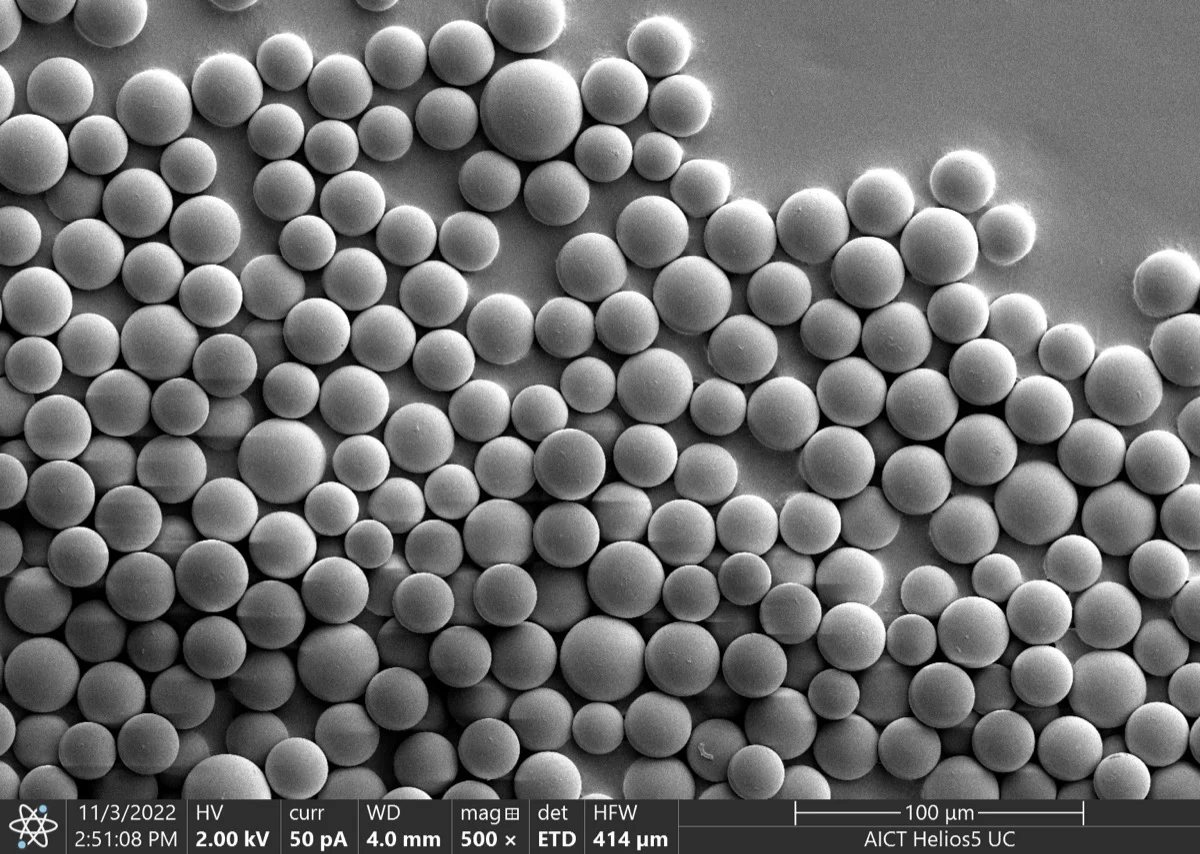
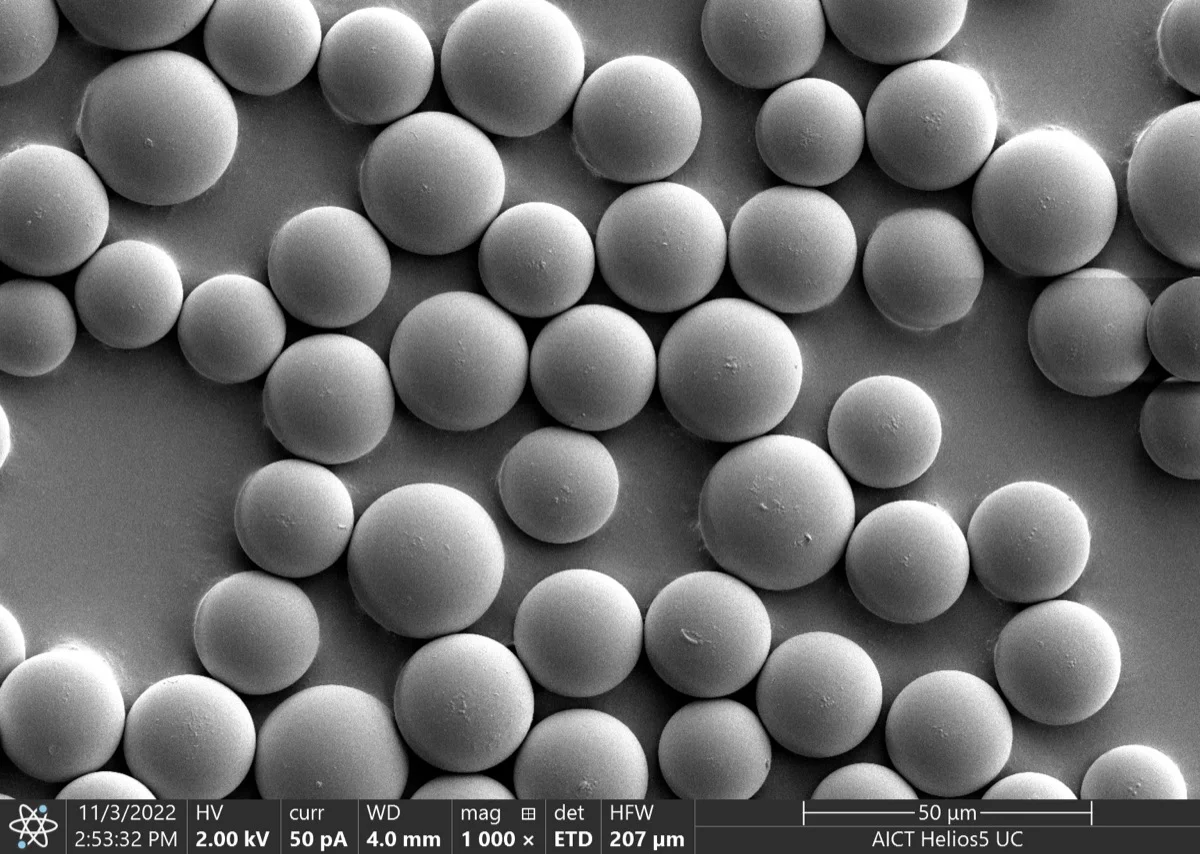
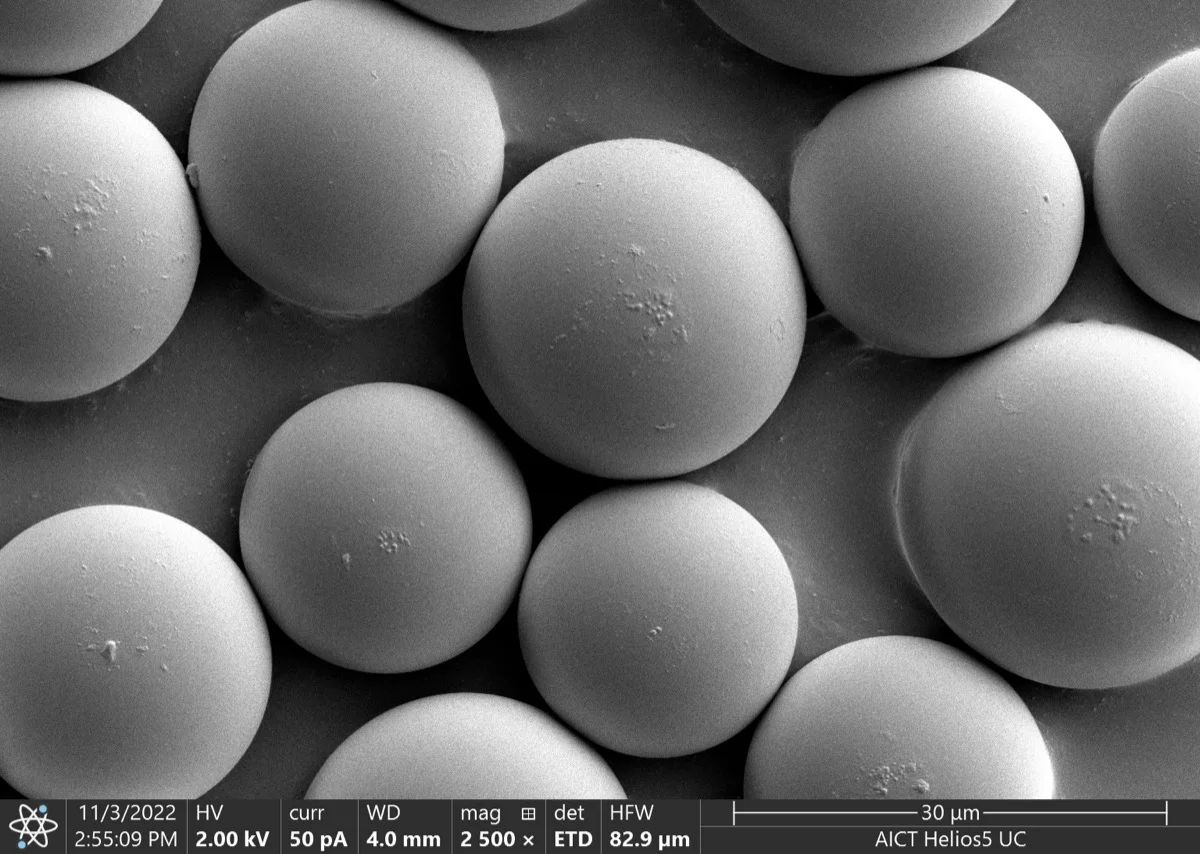
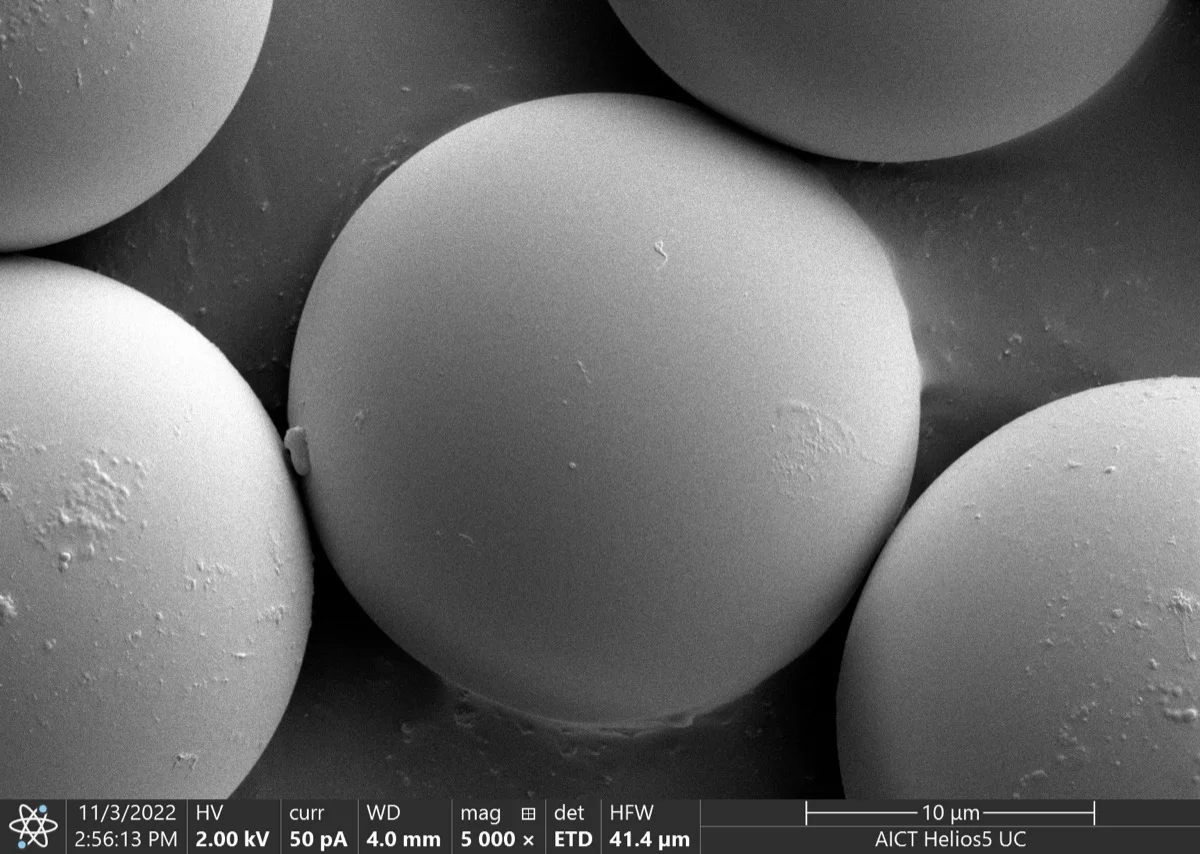
SEM Verified
Γ500 / Γ5000
Uniformity confirmed by electron microscopy
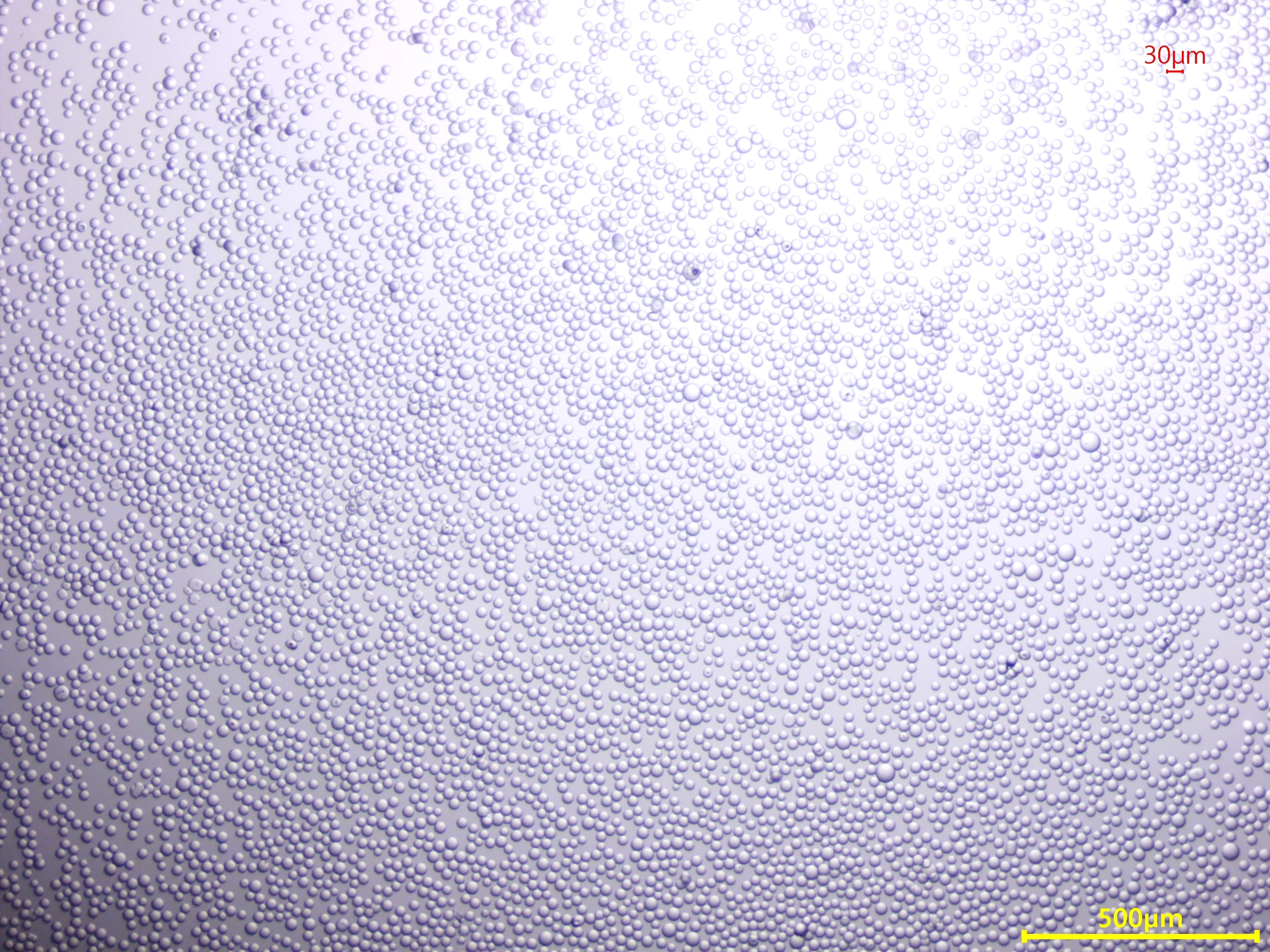
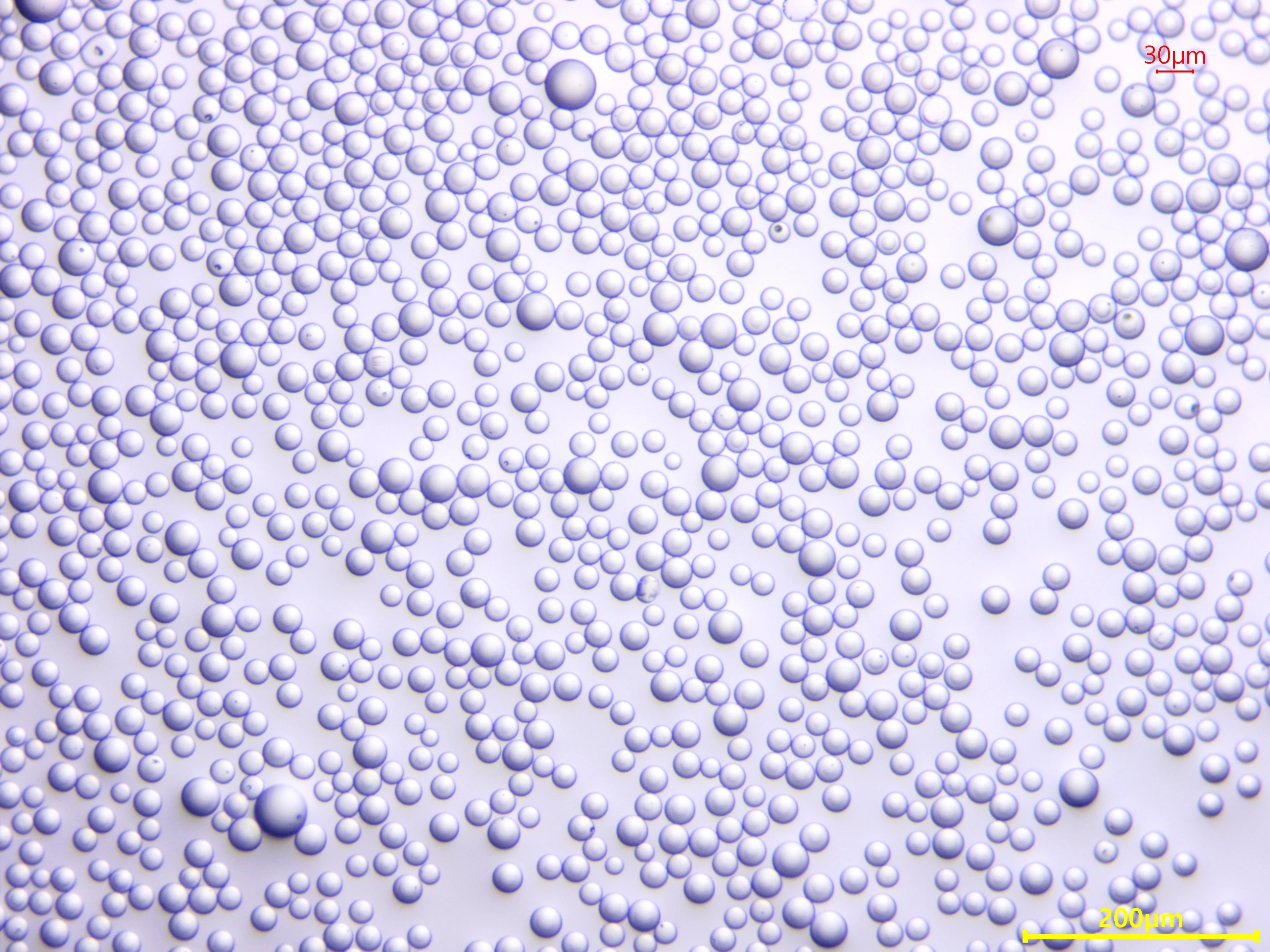
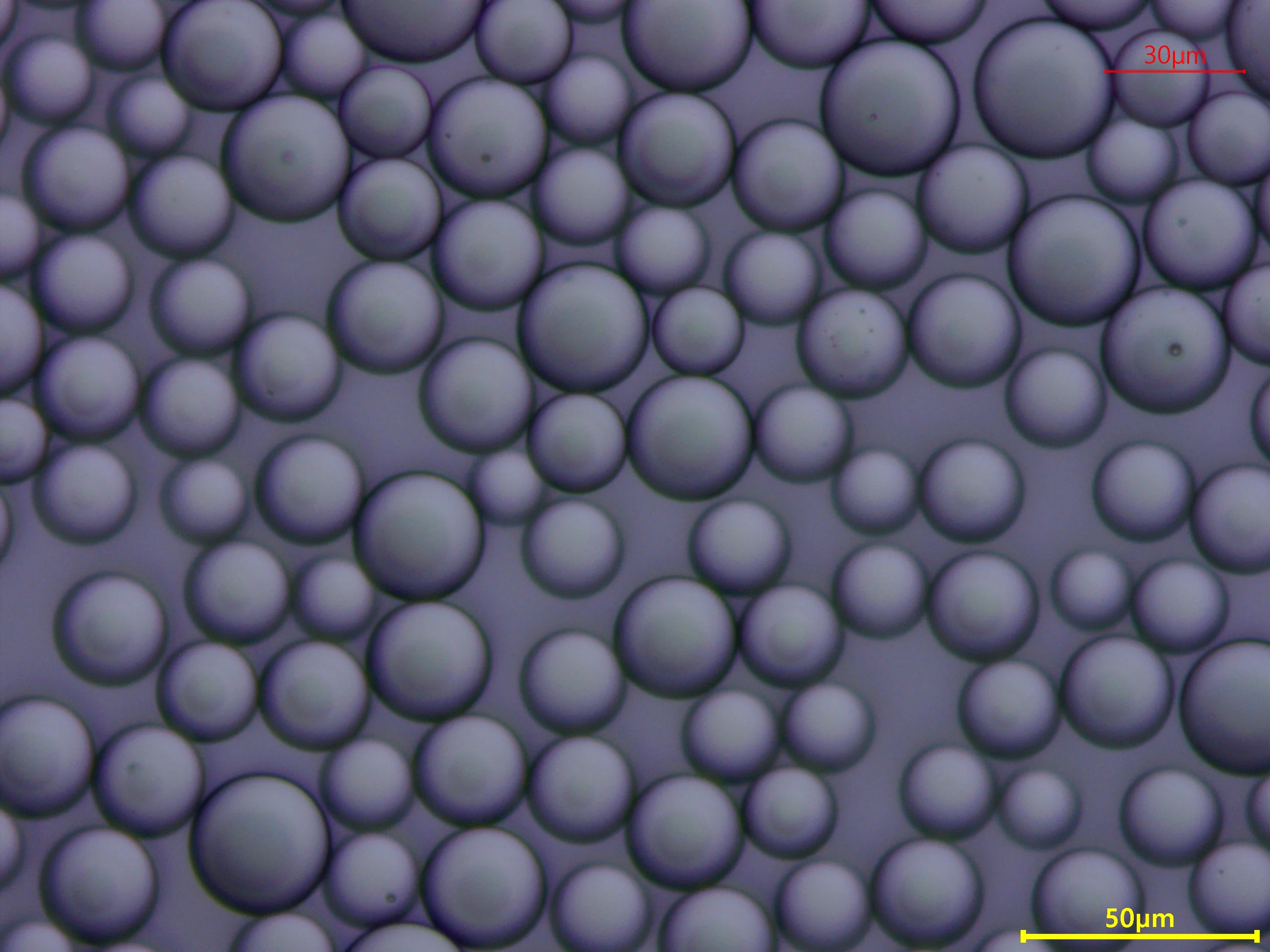
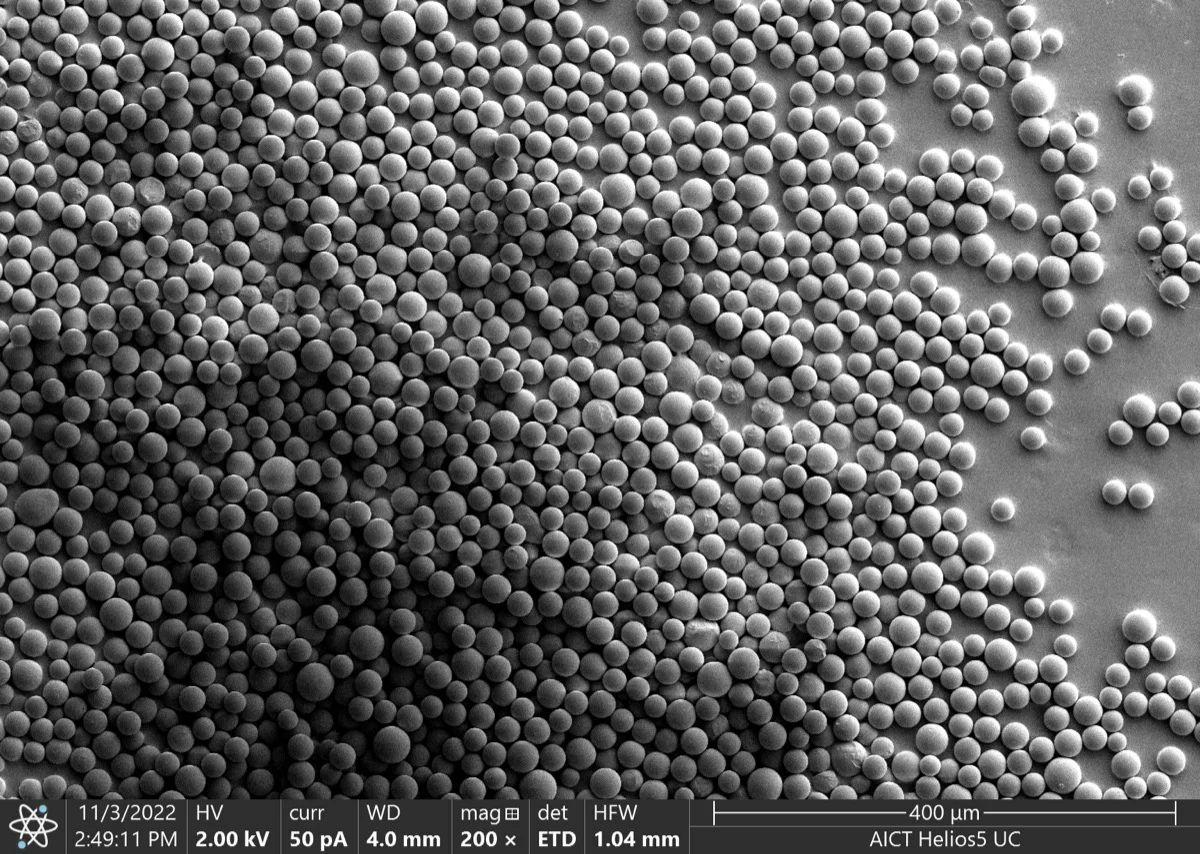
Microscope Verification β PDLLA 30Β΅m Microsphere
SEM Γ200
Uniform Mass Production β Hundreds of particles distributed in identical size and morphology. The uniformity of Smart SPDSβ’ technology is visually confirmed.
SEM Γ500
Perfectly Spherical Structure β Every particle exhibits identical spherical morphology. This guarantees consistency of the physical signals that cells recognize.
SEM Γ2,500
Non-Porous Surface β Smooth outer wall permits surface degradation only. Suppresses rapid release of degradation byproducts, achieving 1/6 the inflammatory cell count at 12 weeks.
SEM Γ5,000
Surface Precision β Dense structure with no pores. Gradual biodegradation maintains continuous regeneration signals for 3-6 months.
Optical Γ40
Size Measurement Verification β Optical microscope scale bar reference (30um, 50um)
Technology β Product
30Β΅m
The optimal particle size achieved by Smart SPDSβ’.
Quality Verification
SEM Verified
Uniformity verified at Γ200 to Γ5,000 electron microscopy.
Frequently Asked Questions →
Answers about products, protocols, and partnerships